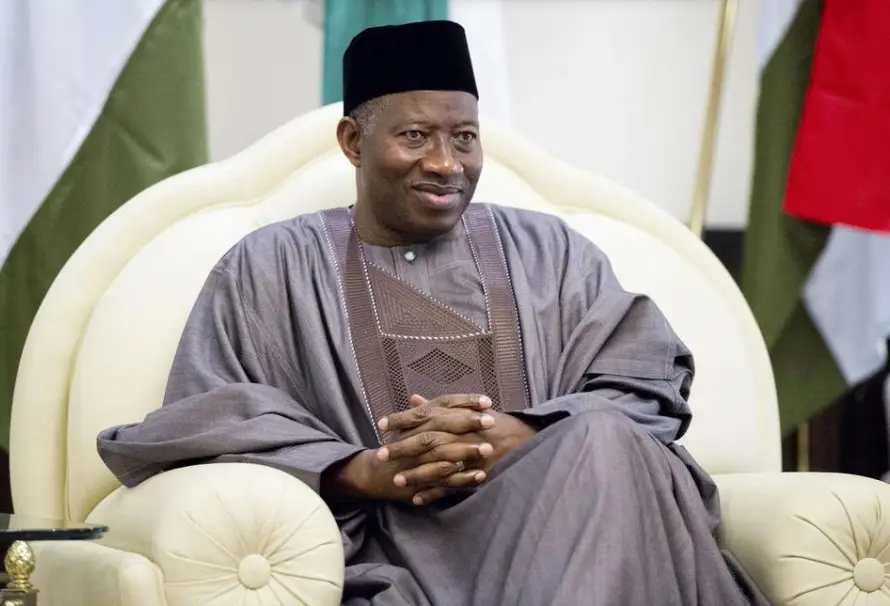
Goodluck Jonathan says consultations will shape 2027 decision
Goodluck Jonathan has intensified political discussions ahead of the 2027 general elections after indicating that he would consult widely before making any decision regarding a possible presidential bid. The former Nigerian president made the remarks amid increasing speculation about his potential return to active electoral politics.
Jonathan’s comments have generated fresh debate within Nigeria’s political space, with supporters, opposition figures, and analysts closely monitoring developments ahead of the next election cycle. Reports suggesting that the former president may join the 2027 presidential race have continued to circulate in recent weeks, particularly as political coalitions and alliances begin early consultations.
Speaking on the matter, Jonathan stated that presidential politics is a serious national responsibility that requires careful consideration and extensive consultation with stakeholders across the country.
According to him, the process of deciding whether to contest for the presidency cannot be approached casually.
“Presidential contest is not a computer game,” Jonathan reportedly said while responding to questions about growing calls for him to join the race. He explained that any decision would involve broad consultations with political associates, elders, supporters, and other national stakeholders.
The former president’s remarks have been interpreted by many observers as a sign that he remains open to political engagement, although he stopped short of formally declaring his intention to run.
Political discussions surrounding Goodluck Jonathan have gained momentum following reports that several political groups and influential individuals are encouraging him to consider another presidential bid.
According to reports, some political actors reportedly believe Jonathan could emerge as a consensus candidate capable of attracting support across regional and party lines due to his previous experience as president and his image as a relatively moderate political figure.
Goodluck Jonathan served as Nigeria’s president from 2010 to 2015 after previously serving as vice president under the late President Umaru Musa Yar’Adua. He later lost the 2015 presidential election to Muhammadu Buhari of the All Progressives Congress, becoming the first sitting Nigerian president to concede defeat in a democratic election.
Since leaving office, Jonathan has largely focused on diplomacy, peace-building initiatives, election observation missions, and international engagements through the Goodluck Jonathan Foundation and other platforms.
However, despite his reduced involvement in partisan politics in recent years, his name has repeatedly resurfaced during major election cycles. In the build-up to the 2023 elections, there were also speculations about possible attempts to draft him into the presidential contest, although he did not eventually participate.
The renewed conversations ahead of 2027 come at a time when Nigeria’s political environment is already witnessing early realignments among major parties, coalition groups, and influential political figures.
Several opposition parties are reportedly considering broader alliances as they prepare for the next presidential election, while internal consultations continue within both ruling and opposition political structures.
Analysts say the possibility of Goodluck Jonathan returning to the presidential race could significantly reshape the political landscape because of his national recognition and previous leadership experience.
Some observers believe Jonathan may attract support from groups seeking a familiar political figure with cross-regional appeal, while others argue that Nigeria’s political environment has changed significantly since his last time in office.
There are also debates over whether the country’s zoning arrangement and regional power-sharing considerations would influence any possible decision by Jonathan to contest.
Political stakeholders across different regions continue to discuss how the presidency should rotate ahead of 2027, especially following ongoing national conversations about inclusion, representation, and political balance.
While Jonathan did not directly address zoning politics in his recent comments, he emphasized the importance of consultation and collective decision-making.
According to reports, the former president stressed that national leadership decisions should not be based on personal ambition alone but should involve broader national interest considerations.
The comments have triggered mixed reactions among political supporters and critics.
Some supporters argue that Goodluck Jonathan remains one of the few former leaders with substantial international goodwill and diplomatic credibility. They also point to his peaceful concession of defeat in 2015 as evidence of democratic maturity.
Others, however, believe the country should focus on producing a new generation of political leaders rather than returning to former officeholders.
Political analysts note that the coming months may reveal whether the ongoing consultations around Jonathan’s possible candidacy will develop into a formal political movement or remain speculative.
For now, no official declaration has been made regarding his participation in the 2027 race.
Meanwhile, reports suggesting that Jonathan may soon make a major political decision have continued to fuel public interest. Some media reports indicated that influential political actors were already holding discussions aimed at persuading him to contest.
Although details of such consultations remain unclear, observers say the speculation reflects the level of uncertainty and competition already emerging ahead of the next election cycle.
Nigeria’s political environment traditionally becomes more active several years before presidential elections, with coalition talks, endorsements, strategic meetings, and regional consultations often shaping the early direction of campaigns.
Political parties are also expected to begin internal planning processes, including leadership restructuring, alliance-building, and candidate positioning ahead of official election activities.
The growing attention surrounding Goodluck Jonathan comes amid wider national concerns over economic conditions, insecurity, governance challenges, and public demand for political reforms.
Some analysts believe voters may place greater emphasis on leadership experience and national stability in the coming election cycle, while others argue that younger voters may prioritize new political alternatives and fresh leadership approaches.
Observers also note that Jonathan’s international profile and post-presidency diplomatic activities could influence how he is perceived both within Nigeria and abroad if he eventually decides to re-enter active electoral politics.
Despite the speculation, Jonathan’s latest comments suggest that he intends to proceed cautiously before making any political commitment.
By emphasizing consultation rather than declaration, the former president appears to be leaving room for discussions with key stakeholders before deciding his next political step.
For now, the debate surrounding Goodluck Jonathan and the 2027 presidency remains one of the most closely watched developments in Nigeria’s evolving political landscape.
With political alignments already beginning to take shape and public interest steadily growing, attention is expected to remain focused on whether the former president will eventually transform consultations into a formal presidential ambition.
Until then, Jonathan’s statement that presidential politics “is not a computer game” is likely to remain a defining phrase in ongoing discussions about the road to 2027.
Additional Information
Readers seeking more updates on Goodluck Jonathan, his consultations on the 2027 presidential race, and the growing political discussions surrounding his possible return to active politics can visit the external sources below for more detailed reports and continuing developments.
External Links
- Sahara Reporters – Former President Jonathan Likely To Join 2027 Presidential Race Friday
- Vanguard Nigeria – 2027 Presidential Race Is Not Computer Game, I’ll Consult Widely – Jonathan
- Punch Nigeria – I’ll Consult Widely On 2027 Presidency – Jonathan
- The Cable – Jonathan Says Presidential Race Is Not Computer Game
- BusinessDay Nigeria – Jonathan Says He’ll Consult Widely On 2027 Presidential Run
- The Guardian Nigeria – Jonathan Responds To Fresh Calls To Contest 2027 Election
These reports provide additional insight into Goodluck Jonathan’s comments, consultations, political positioning, and the wider discussions shaping Nigeria’s 2027 presidential landscape.